

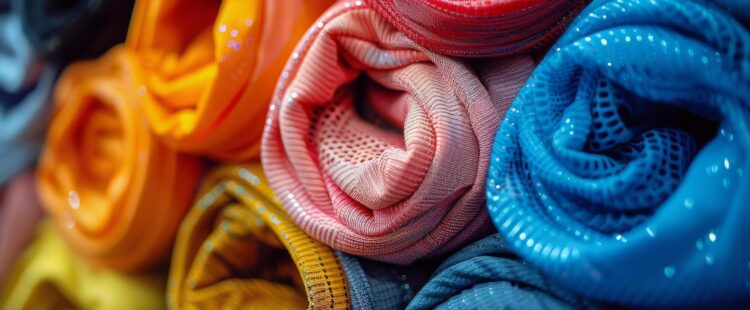
The Importance of Clothing Materials
When it comes to fashion, the choice of clothing materials can significantly influence not only the aesthetic appeal of an outfit but also its comfort, durability, and versatility. Different materials serve different purposes, and understanding these can enhance one’s wardrobe choices. In the realm of style, the concept of “old money style” emerges, characterized by classic tailoring and timeless fabrics that often signal sophistication and elegance. This awareness transforms the mundane experience of dressing into a curated expression of one’s identity.
Natural Fabrics
Natural fabrics are sourced from plants and animals, offering a range of textures and properties that have stood the test of time. Here are some commonly used natural fibers:
- Cotton: Known for its breathability and softness, cotton is a popular choice for everyday wear. It is versatile and easy to care for, making it a staple in most wardrobes.
- Wool: This material is known for its insulating properties, making it perfect for colder weather. Its natural elasticity allows for a variety of styles, from cozy sweaters to tailored suits.
- Linen: Made from flax, linen is lightweight and breathable, ideal for hot climates. It has a unique texture and a naturally wrinkled appearance, which adds character to any outfit.
Synthetic Fabrics
Synthetic fabrics are man-made and often designed to enhance specific performance qualities. Popular types include:
- Polyester: Durable and resistant to shrinking and stretching, polyester is often blended with natural fibers to improve wearability.
- Nylon: Known for its strength and elasticity, nylon is commonly used in active and sportswear due to its moisture-wicking properties.
- Rayon: A semi-synthetic fiber, rayon mimics the feel and luster of silk, making it an affordable choice for elegant garments.
Blends and Specialty Fabrics
Modern fashion also employs blended fabrics, combining the best of both worlds. For example, a cotton-polyester blend can offer both comfort and durability, perfect for everyday wear. Moreover, specialty fabrics like chiffon, velvet, and fleece have unique qualities that cater to festive or performance-driven garments.
In today’s market, where sustainability is becoming a priority, fabrics made from recycled sources and organic materials are gaining traction. Websites like baindoux.com offer insight into eco-friendly clothing materials, highlighting the importance of responsible choices in fashion.
Choosing the Right Fabric for the Occasion
Understanding different clothing materials not only reflects a sense of style but also illuminates the appropriate fabric for various occasions. Formal events may call for luxurious fabrics like silk or satin, offering a rich sheen and elegant drape. Casual outings can embrace cotton or linen for their comfort and breathability.
Moreover, active wear demands synthetic materials that can withstand rigorous movements while keeping the body comfortable. In contrast, lounging at home can feel delightful in soft cotton or fleece fabric. Ultimately, knowing the right material plays a crucial role in enhancing both the experience and outcomes of dressing for any situation.
Final Threads: The Fabric of Our Lives
Diving deep into the world of clothing materials presents a tapestry woven not just from fibers, but also from cultural significance, personal expression, and environmental responsibility. The right choice in fabric can elevate a wardrobe from ordinary to extraordinary, allowing for a personal style that resonates with timelessness. Whether channeling the elegance of an “old money style” or embracing modern trends, understanding fabrics offers endless possibilities to define one’s fashion journey.